EPA repeals the power plant carbon standards and disclaims climate authority under the Clean Air Act: what it means for US Scope 2 and 3 assumptions
The agency finalised on Monday the repeal of the 2024 rules that required coal and new gas plants to capture most of their CO2 by 2032, days after NOAA confirmed the hottest US summer on record.
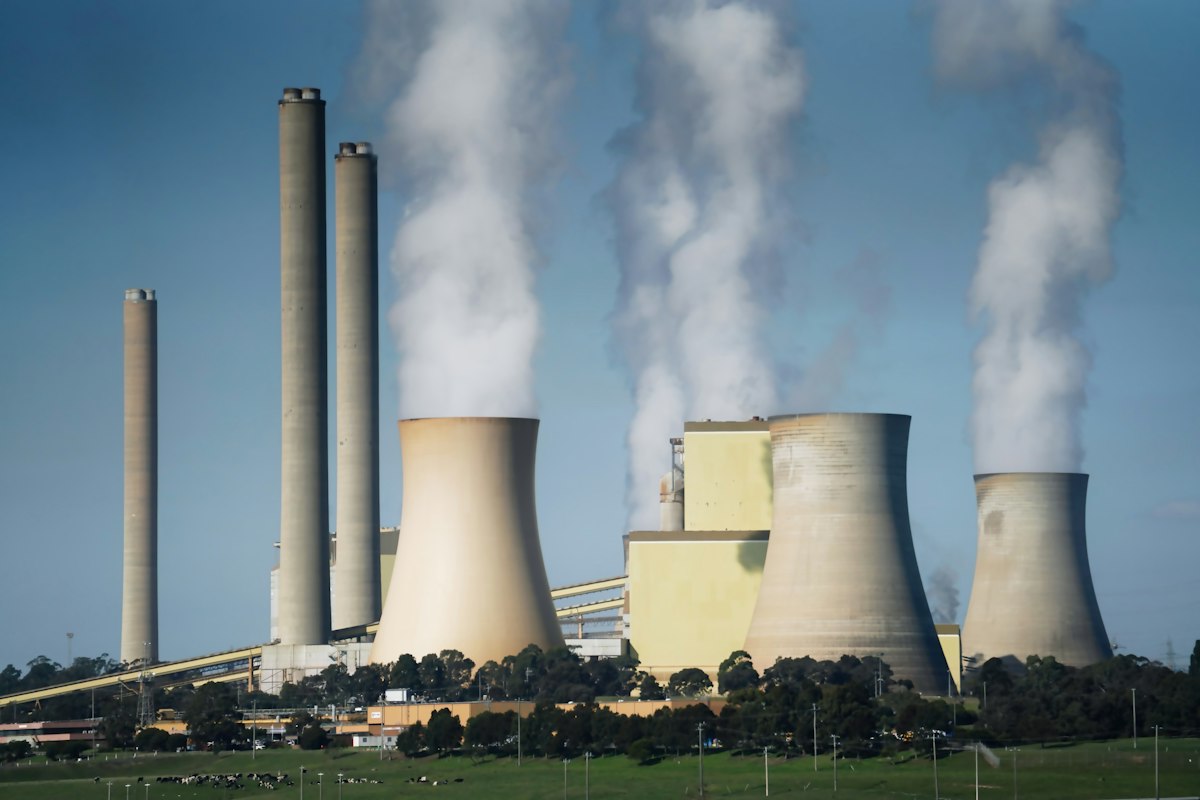
The US Environmental Protection Agency on Monday finalised the repeal of the Carbon Pollution Standards for fossil fuel fired power plants adopted in April 2024. Those standards required existing coal plants and new gas plants to capture and store roughly 90 percent of their CO2 by 2032. Administrator Lee Zeldin framed the decision as protecting American energy and keeping electricity affordable. The announcement was timed to coincide with the G20 energy ministers' meeting in Houston. Alongside the repeal, the agency argues that the Clean Air Act gives it no authority to regulate greenhouse gases from power plants as climate pollution at all, which goes further than simply withdrawing one rule.
Power plants are the second largest source of US emissions and account for close to a third of the country's CO2. When it adopted the 2024 standards, the EPA estimated net climate and health benefits of about 370 billion dollars, including roughly 1,200 avoided premature deaths a year by 2035. Environmental groups said they would sue, but appeals court litigation moves slowly and may not be resolved before the end of the current administration. The timing is awkward for the White House: NOAA reported last week that the June to August period was the hottest summer on record for the contiguous United States, at 74.4F, four tenths of a degree above the 1936 Dust Bowl record, with August the warmest August since records began in 1895.
For European ESG managers and CFOs with US operations or US suppliers, the practical consequence is in the assumptions, not in this year's numbers. Location based Scope 2 factors for US grids were already declining on the back of gas and renewables economics rather than federal rules, and that trend does not reverse overnight. What changes is the credibility of forward looking grid decarbonisation curves used in ESRS E1 transition plans, in SBTi target models that include US electricity, and in climate scenario analysis presented to auditors. A federal floor that no longer exists cannot be cited as a driver of future reductions, so those curves should now rest on state policy and market economics only.
State programmes are unaffected. California's cap and trade system and the Regional Greenhouse Gas Initiative in the northeast continue to price power sector emissions, which means supplier disclosed figures will increasingly reflect very different regulatory environments depending on where a plant sits. Procurement teams comparing energy intensive US suppliers should ask which grid region and which state programme applies rather than assuming a national baseline. Reversing Monday's decision would need fresh rulemaking and years of legal process, so the absence of federal power sector regulation is now a base case to plan around, not a risk to discount.
Share this story